
Southern California's lodge hotels put you closer to the region's wild interior - mountain towns, desert highways, and pine-covered ridgelines - rather than the urban sprawl of Los Angeles or San Diego. This guide compares 4 lodge hotels across distinct micro-regions of SoCal, from the San Bernardino Mountains to the Mojave Desert edge, helping you match your destination to your travel style before you book.
What It's Like Staying In Southern California
Southern California spans a remarkable variety of landscapes within a single region: desert, mountain, coast, and chaparral. Staying here means accepting that distances are real - driving from Julian in the Cuyamaca Mountains to Big Bear Lake in the San Bernardino range can easily take around 3 hours, so choosing your base matters more than in compact urban destinations. The inland mountain towns attract hikers, skiers, and weekend escapees from the LA metro, meaning lodges fill fast on Friday nights, particularly between November and March for snow access.
Pros:
- Exceptional landscape variety - desert, alpine forest, and canyon terrain all within one region
- Lodge-style stays deliver genuine access to hiking trails, fishing spots, and ski slopes that urban hotels cannot match
- Smaller mountain towns like Julian and Kernville offer authentic small-town rhythm with far lower prices than coastal SoCal
Cons:
- Car dependency is non-negotiable - public transport does not reach most lodge destinations in this region
- Wildfire smoke can affect air quality and trail access during summer months, particularly in the San Bernardino National Forest area
- Weekend demand in mountain towns means availability shrinks fast and rates spike for Friday-Saturday nights
Why Choose Lodge Hotels In Southern California
Lodge hotels in Southern California occupy a distinct practical niche: they position you directly inside or adjacent to the natural areas you came to explore, rather than requiring a daily commute from a city base. Compared to standard motels or urban hotels in the region, lodges typically offer on-site outdoor features - barbecues, terraces, mountain views, hot tubs - at price points that remain accessible, often under $150 per night outside peak weekends. Room sizes in mountain lodges tend to be more generous than coastal city hotels, and many units include kitchenettes, which makes multi-night stays significantly more cost-effective for families or groups.
Pros:
- Direct trailhead or lake access without driving from a distant base - saves around 40 minutes per day compared to staying in a valley town
- Kitchenette-equipped units reduce daily food costs considerably on stays of 3 nights or more
- On-site amenities like hot tubs and barbecues are standard in this category, not upgrades
Cons:
- Limited dining options on-site - most SoCal mountain lodges rely on guests self-catering or driving to a nearby town
- Cell coverage and internet reliability vary significantly between mountain locations like Running Springs versus desert towns like Needles
- Check-in and front desk hours are often restricted compared to full-service hotels, requiring advance coordination
Practical Booking & Area Strategy
Positioning yourself correctly within Southern California's lodge geography depends entirely on your primary activity. For skiing or snow play at Big Bear Mountain Resort, Running Springs provides the closest mountain lodge base - it sits directly on State Route 18, roughly 26 km from Big Bear Marina, and serves as a quieter, less congested alternative to lodging in Big Bear Lake town itself. For fly-fishing and Kern River access, Kernville is the only viable base, located in the Sierra Nevada foothills northeast of Bakersfield. Julian - a historic gold rush town in San Diego County - suits hikers exploring Cuyamaca Rancho State Park and apple orchard visitors in autumn, when the town draws heavy weekend crowds. Book at least 3 weeks ahead for any mountain lodge on winter weekends, particularly during holiday periods when LA-area day-trippers convert to overnight stays. The desert gateway town of Needles, on the Colorado River border with Arizona, serves an entirely different traveler - primarily those on Route 66 road trips or visiting Mojave National Preserve - and rates here remain among the lowest in the SoCal lodge category year-round due to its remote location and extreme summer heat.
Best Value Stays
These lodges deliver strong practical value - accessible pricing, solid core amenities, and direct access to outdoor activities - making them the right starting point for budget-aware travelers and road trippers crossing Southern California.
-
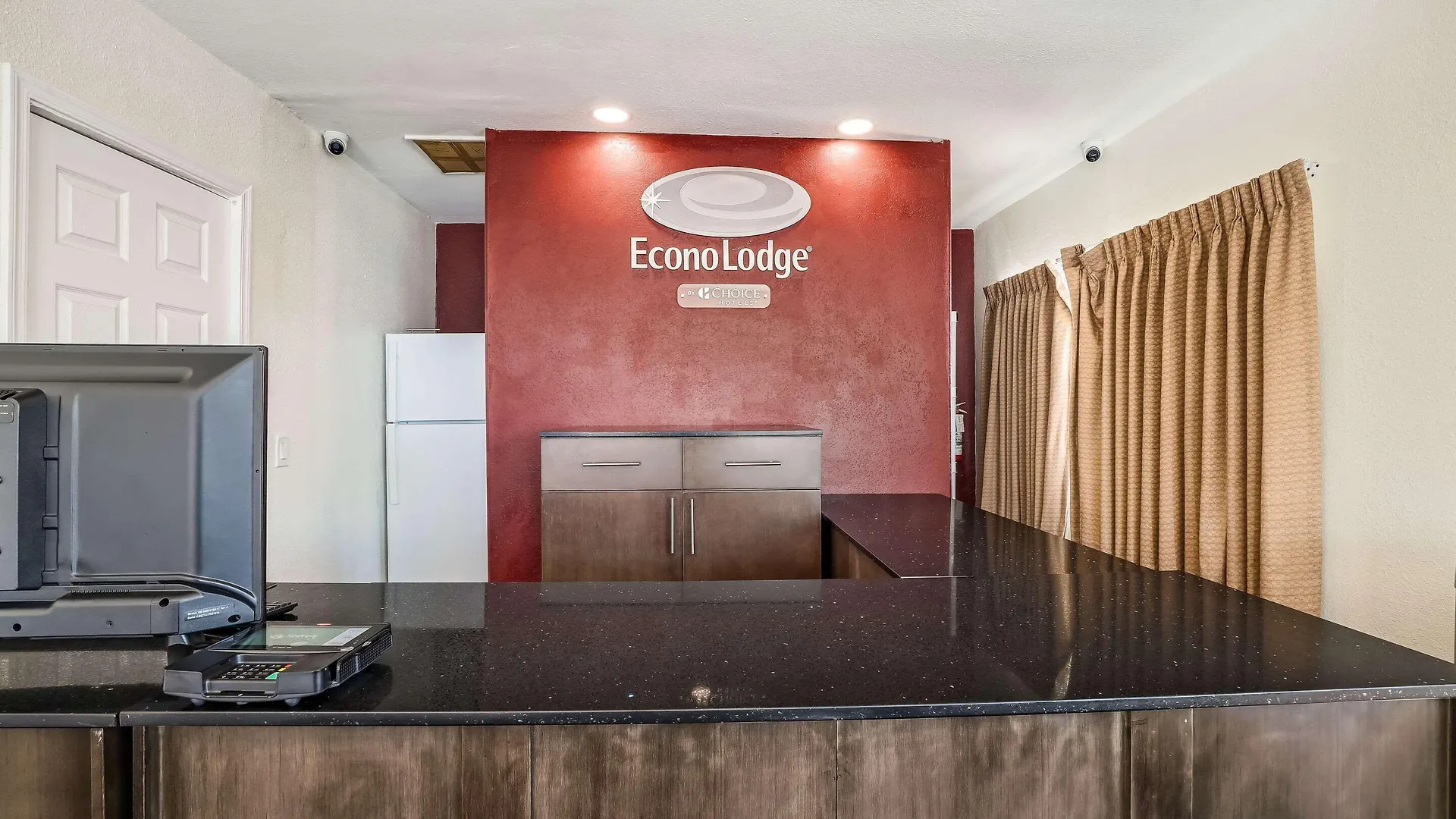
1. Econo Lodge Needles
Show on map


 Check-infrom 15:00 until 23:30Check-outuntil 11:00
Just a few rooms left at the best rate!
fromUS$ 107
-
2. Tucker Peak Lodge
Show on map


 Check-infrom 16:00 until 22:00Check-outfrom 10:00 until 11:00
Just a few rooms left at the best rate!
fromUS$ 154
Best Premium Stays
These two lodges offer more complete on-site amenity packages - indoor pools, kitchenettes, mountain views, and activity-adjacent locations - suited to travelers prioritizing comfort and multi-night stays in Southern California's mountain interior.
-
3. Giant Oaks Lodge
Show on map


 Check-infrom 16:00 until 22:00Check-outfrom 06:00 until 11:00
Hurry – almost gone at this price!
fromUS$ 149
-
4. Sequoia Lodge
Show on map


 Check-infrom 14:00 until 23:59Check-outuntil 11:00
Rooms filling fast – secure the best rate!
fromUS$ 114
Smart Travel & Timing Advice
Southern California's lodge calendar divides sharply by zone. In the San Bernardino Mountains - Running Springs and Big Bear area - the peak season runs from late November through March, driven by snow sports at Big Bear Mountain Resort and Snow Valley. Book mountain lodges at least 4 weeks ahead for any winter holiday weekend; Presidents' Day and Christmas week see occupancy hit near-capacity across the entire range. In Julian, the autumn apple harvest season from September through November draws the heaviest visitor traffic of the year, and lodge rates reflect this demand. Kernville's peak is the opposite: spring through early summer, when Kern River flows are highest for white-water rafting and temperatures are still manageable. Needles is the exception to all patterns - avoid summer entirely unless heat is not a concern, as July temperatures routinely exceed 45°C; the optimal window is October through April when the desert is genuinely pleasant. For any of these lodges, a minimum stay of 2 nights is recommended to justify the drive from major SoCal urban centers, and mid-week bookings consistently deliver lower rates and better availability than weekend arrivals.


